How to Encourage Colleagues to Stay Active
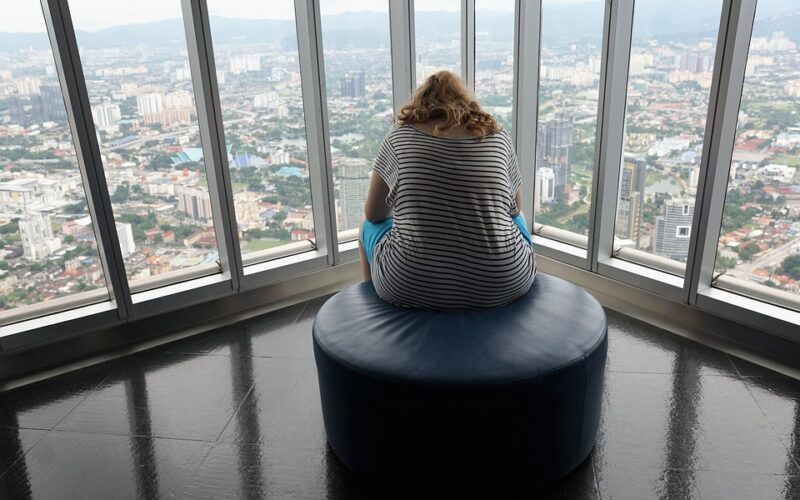
Many professionals spend their working day seated, which gradually takes a toll on physical health and mental focus. Prolonged sitting often leads to fatigue, stiff joints, and a noticeable dip in afternoon productivity. Encouraging colleagues to incorporate more movement into their routine combats these issues. When a workplace supports physical activity, employees experience better moods and reduced stress levels. Prompting others to change their habits requires a thoughtful, supportive approach rather than a demanding one. The goal is to build an environment where staying active feels entirely natural and accessible. By implementing subtle shifts in your workplace culture, you can help peers discover the benefits of regular movement.
Lead by example
The most authentic way to inspire change is to model the behaviour yourself. Colleagues are far more likely to adopt active habits when they see peers openly prioritising movement. Taking a short walk during your lunch break or choosing the stairs sends a clear message that stepping away from the desk is acceptable. When you return from brief breaks looking refreshed, others inevitably notice the positive impact. You might mention how small bursts of activity help clear your head. Over time, your consistent actions remove any lingering stigma associated with leaving the workstation, giving colleagues the unspoken permission they need.
Propose active meetings
Traditional meetings usually involve sitting around a boardroom table, but shifting this dynamic introduces much-needed physical activity into the workday. Suggesting walking meetings for informal catch-ups is an excellent way to combine productivity with gentle exercise. Walking side by side often reduces the pressure of intense eye contact, leading to open and honest conversations. A change of scenery naturally stimulates creative thinking and problem-solving capabilities. If you work remotely, encourage colleagues to take phone calls whilst pacing around their homes. By reframing a sedentary task as an opportunity for movement, you make physical activity an integrated part of the schedule.
Organise inclusive team challenges
Introducing friendly, low-stakes competition serves as a fantastic motivator, provided it remains highly inclusive. Setting up a collective activity goal, such as a combined distance to walk over a month, brings colleagues together to work towards a shared target. It is absolutely crucial to design these initiatives so people of all abilities feel comfortable taking part. Focusing on consistent participation rather than crowning a single winner helps prevent anyone from feeling alienated. You can use group chats to share updates and celebrate small milestones. This shared sense of purpose boosts overall activity levels and strengthens team cohesion.
Advocate for flexible schedules
Rigid working hours often present a significant barrier to exercise, leaving people feeling too exhausted to work out. Advocating for a flexible approach to time management empowers colleagues to fit physical activity into their day. For instance, allowing team members to take a longer lunch break for a run can make a tremendous difference to their wellbeing. They can then make up the time by finishing slightly later. When management supports this level of autonomy, it demonstrates a genuine commitment to employee health. Knowing they have the freedom to manage their time removes stress, making it easier to establish an exercise routine.
Foster a culture of wellbeing
Transforming a sedentary office into an active environment relies on embedding health into the core values of the organisation. Encouragement should always remain positive, ensuring nobody feels pressured or judged for their lifestyle choices. Sharing resources, such as details about local walking routes, provides helpful nudges without being overbearing. Building an active workplace is an ongoing process that requires patience and a willingness to celebrate gradual progress. As these supportive practices take root, staying active transitions from being an individual effort to a shared norm. Your colleagues will eventually find themselves moving more frequently, resulting in a happier professional environment.